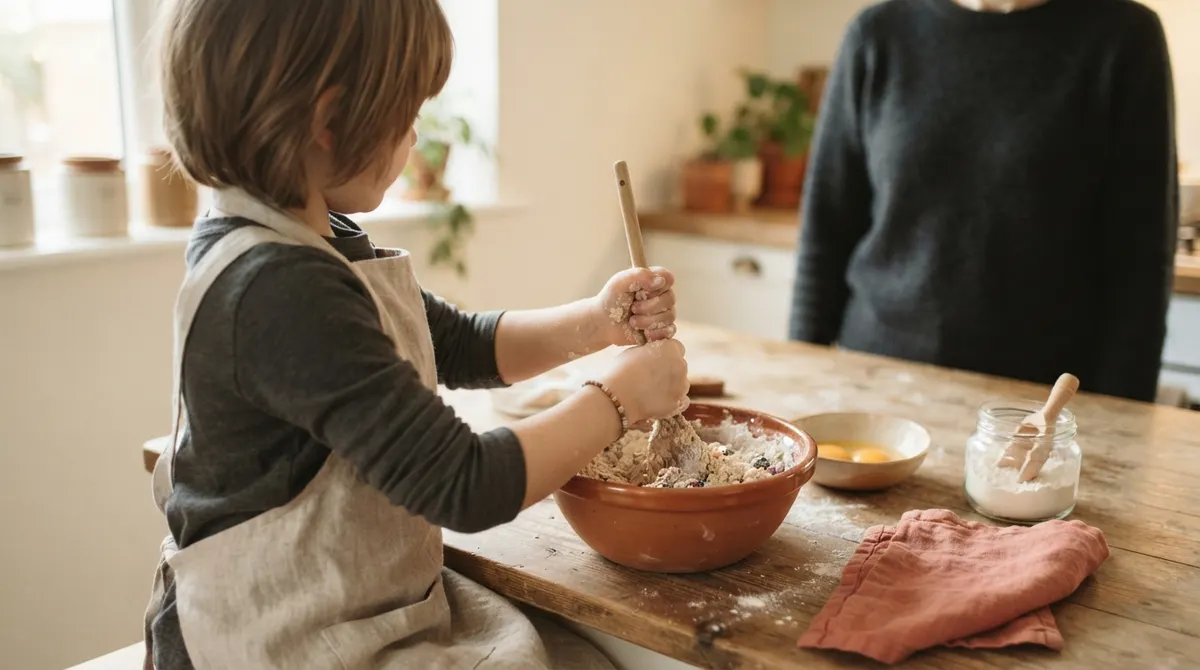
Does the idea of cooking with kids fill you with dread? Visions of flour explosions and sticky countertops might dance in your head, but the truth is, involving children in meal preparation offers a wealth of benefits. Beyond the obvious advantage of gaining an extra pair (or several pairs!) of hands, you're also teaching crucial life skills, fostering independence, and building a stronger family connection.
Getting kids into the kitchen doesn't mean handing them a sharp knife and a complex recipe on day one. It's about a gradual introduction to tasks that are appropriate for their age and skill level. Starting small and building confidence is key. When you include them, you’re not just making dinner; you're creating opportunities for learning about nutrition, math, science, and even different cultures through food.
This post will walk you through specific, achievable kitchen tasks categorized by age range. You’ll find concrete examples for each stage, allowing your children to meaningfully contribute to family meal preparation today. Think of these as templates you can adapt to your own family’s rhythm and recipes.
Why Involve Kids in Cooking?
Before we dive into the age-specific tasks, let's briefly touch on why this effort is so worthwhile. When kids help in the kitchen, they often become more adventurous eaters, more likely to try foods they’ve had a hand in preparing. They develop fine motor skills, learn to follow instructions, and practice basic math concepts like measuring and counting. Plus, it's a fantastic way to spend quality time together, transforming a daily chore into a shared experience.
For you, the parent, it can eventually mean less solo prep work and more family harmony around meal times. Imagine a future where your teen can whip up a simple dinner while you handle another task. That future starts now, with these small, age-appropriate steps.
Kitchen Tasks for Ages 2-4 (Toddlers & Preschoolers)
At this age, the goal is simple: exposure and exploration. Safety is paramount. Focus on tasks that don’t involve heat, sharp objects, or delicate movements. Supervise closely and turn it into a sensory play experience. Keep sessions short, usually 5-10 minutes.
- Washing Produce: Set up a bowl of water and let them wash fruits and vegetables like apples, potatoes, or bell peppers. They can use their hands to rub off dirt under supervision. "Can you help me get these carrots clean for dinner?"
- Tearing Lettuce/Greens: For salads, let them tear soft lettuce leaves or spinach into smaller pieces. This is great for fine motor skills and requires no tools. "Let's make these big leaves into little pieces for our salad!"
- Stirring Ingredients: With a sturdy spoon, let them stir ingredients in a large bowl, such as pancake batter (before cooking), dry ingredients for muffins, or cold ingredients for a dip. Ensure the bowl is stable. "Can you mix this all up for me?"
- Adding Ingredients: They can scoop pre-measured ingredients into a bowl – think flour into a mixing bowl, or cheese into a casserole. Use unbreakable bowls and spoons. "Here are the peas; can you put them in our soup pot?"